A Closer Look at Women's Wellness Habits
Why More Women Are Talking About Gelatin as Part of Their Daily Routine
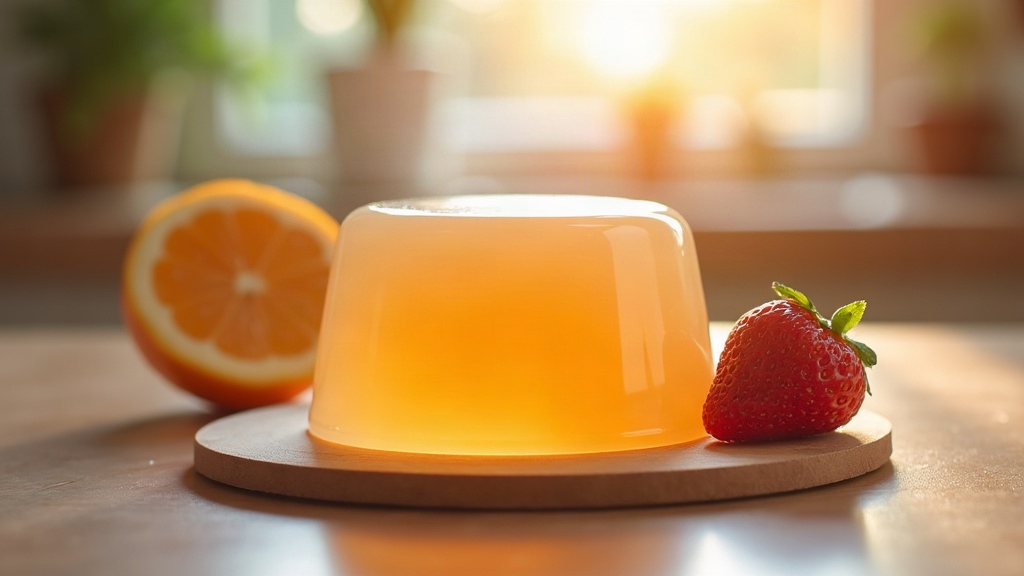
Across kitchens and wellness routines, gelatin is quietly becoming a topic of conversation among women exploring natural habits tied to collagen and everyday nutrition.
What Changes in a Woman's Body Are Often Overlooked
Long before any routine is built, it helps to understand what’s actually shifting — and why so many conversations skip over these everyday details.
Natural Collagen Decline
As the years go by, the body's own collagen production naturally slows — one reason gelatin, a cooked form of collagen, keeps coming up in kitchen and wellness conversations.
Shifting Satiety Signals
The way fullness is felt after a meal can change over time, which is why many women revisit how their meals are structured, not just what's on the plate.
Changes in Lean Body Composition
Body composition can shift gradually, independent of the number on a scale — a nuance that's often left out of simplified wellness messaging.
One-Size-Fits-All Diet Advice
Traditional diet plans rarely account for how differently women's bodies respond over time, leaving many looking for more grounded, habit-based approaches.
Metabolism Myths vs. What's Actually Discussed
Separating common assumptions from what’s actually being explored in nutrition conversations today.
Metabolism only slows down after a certain birthday.
Metabolic patterns are shaped by many factors — sleep, habits, and body composition — not a single number on a calendar.
Cutting calories drastically is the fastest path to lasting habits.
Consistency and balanced nutrition are far more commonly discussed as sustainable, long-term approaches.
All protein sources affect the body in exactly the same way.
Different protein sources — including collagen-based ones like gelatin — are studied for their distinct amino acid profiles.
A Simple Way to Think About Building a Routine
No drastic overhauls — just a practical framework for approaching daily habits with more awareness.
Start With Awareness
Before changing anything, take note of current habits around meals, rest, and energy throughout the day.
Build a Simple Routine
Small, repeatable habits — like consistent meal timing or a regular kitchen ritual — tend to be easier to sustain than dramatic changes.
Stay Consistent, Not Perfect
Routines that survive busy weeks are usually the ones built with flexibility, not rigid rules.
A Tradition Older Than Modern Wellness Trends
Long before gelatin became a wellness talking point online, it was a staple in traditional kitchens — simmered from bones and connective tissue into broths, stocks, and homemade desserts passed down through generations. Grandmothers didn’t call it collagen; they simply called it good cooking.
Insight: Many ingredients now framed as ‘modern wellness discoveries’ were simply everyday kitchen staples a generation or two ago.
Everyday Signs Worth Paying Attention To
Energy Dips Mid-Afternoon
A noticeable slump after lunch is a common experience many women mention but rarely connect to daily habits.
Nails That Chip More Easily
Changes in nail texture or strength are often brushed off, even though they're frequently discussed in nutrition circles.
Unpredictable Hunger Cues
Feeling hungry sooner than expected — or not hungry at all — can be a sign worth observing rather than ignoring.
Joint Stiffness After Rest
Mild stiffness after sitting or sleeping is something many women notice but rarely bring up in routine conversations.
Skin Feeling Less Resilient
Changes in skin texture over time are a common topic in wellness discussions, often tied to broader lifestyle factors.
Weight That Feels Harder to Predict
Fluctuations that don't seem to follow old patterns can be confusing, and are worth discussing with a healthcare professional.
What Women Are Saying

These are individual accounts shared for illustrative purposes only. Individual results may vary, and these testimonials are not a guarantee of any outcome.
Frequently Asked Questions
Hydrolyzed gelatin is gelatin that has been broken down into smaller components, often making it easier to dissolve and incorporate into foods or drinks. It’s derived from the same collagen-based process as traditional gelatin.
No. This content is educational and informational only. It is not intended to diagnose, treat, cure, or prevent any disease, and should not replace guidance from a qualified healthcare professional.
Gelatin is cooked collagen, commonly used in food preparation, while collagen supplements are often further processed into peptide form. Both are discussed in wellness contexts, but they are prepared differently.
No single ingredient or habit is presented here as a replacement for a balanced diet or professional nutritional guidance.
This content is intended for women interested in learning more about natural habits, traditional ingredients, and everyday wellness topics.
Gelatin has traditionally been derived from simmering animal bones, skin, and connective tissue — a practice found in culinary traditions around the world for generations.
Yes. It’s always recommended to consult a qualified healthcare professional before making changes to your diet or wellness routine.
Curious About the Full Picture?
Watch the video to see what this conversation around gelatin, collagen, and everyday habits is really about.
Advertising Disclosure: This page contains sponsored content and affiliate links. We may receive compensation if you make a purchase through links on this page. This helps support our content at no additional cost to you.
Content Disclaimer: This content is for educational and informational purposes only. It has not been evaluated by the FDA. It is not intended to diagnose, treat, cure, or prevent any disease. Always consult a qualified healthcare professional before making changes to your diet, exercise, or wellness routine.
Results Disclaimer: Individual results may vary. Testimonials and examples shared on this page are not a guarantee of any specific outcome or result.
© 2026 · All Rights Reserved · chaptergroupusa.com · /contact/